Every day, people run into what the finance expert Martin Lewis calls "the life-potholes of unintended consequences" – clunky systems and poorly conceived rules that make life harder than it should be. His latest project, the Small Ideas Initiative, will attempt to address that, with a cross-party panel of politicians and policymakers crowdsourcing ideas for everyday fixes to take to government.
The ideas could cover anything from health and schools to policing, tech and money. Lewis is encouraging people to submit ideas for "practical, low-cost, non-controversial ways to improve the UK" before 12 November.
"If we can fix some of those frustration points, we can make people's lives easier, save time and help everyone get on with work or the things they enjoy," said Lewis.
"There's just a sense that there's so many little things to fix," said Polly Mackenzie, who worked with Lewis to come up with the idea. Mackenzie, who was director of policy to Nick Clegg during his deputy premiership, says the initiative could be an avenue to regaining trust in public institutions.
"I think this is about rebuilding confidence in the idea that government can sort stuff out, rather than rebuilding confidence on any one political party having the right ideas," she said.
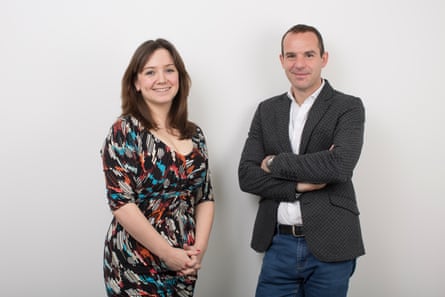
Mackenzie will sit on the panel, which will choose about 50 ideas to take to the government, councils and regulators. Alongside Lewis, the initiative is run by the innovation charity Nesta and the public participation charity Involve.
The Reform MP Danny Kruger, the former Conservative MP Penny Mordaunt, and the Labour mayor of West Yorkshire, Tracy Brabin, are among those sitting on the panel alongside Mackenzie. She said the group had "a real interest and capability in getting involved and sweating the small stuff".
The ideas they are looking for will be "no-brainers" that are not party-political and would be easy fixes. Mackenzie said a good example was when she and Lewis first set up the Money and Mental Health Policy Institute and discovered through a survey that GPs had been charging to fill out debt and mental health evidence forms.
"People in debt crisis were having to pay 80, 100, 150 quid to get forbearance for their debts, which is just wrong-headed," she said. In 2019, two years after the Money and Mental Health Policy Institute started its campaign, the law changed.
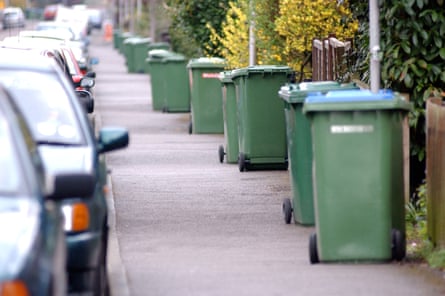
Before the initiative's launch, people in north London shared the policies they would consider submitting. Clare, a railway worker, suggested the government should increase rubbish collections during heatwaves, saying her bins had been "a buffet for flies" this summer. Mark, who works on a market stall, said he would ask the government to put more bins in and around train stations. "There are no bins. I know it's for security reasons, but I think they could find a way," he said.
Kwajo Tweneboa, a social housing campaigner who will also sit on the deciding panel, said relatively small changes could make a "massive difference".
"One small change I'd like to see is housing providers aiming to fix repairs properly, rather than repeatedly applying plaster fixes that don't address the underlying problem and prolong the misery for tenants," he says. "I've seen how something that should be a straightforward repair can drag on for months, with residents having to repeatedly chase their landlord while the problem gets worse.
"It's about listening to those everyday experiences and turning simple, practical ideas into policy that can make a tangible difference to people's lives."