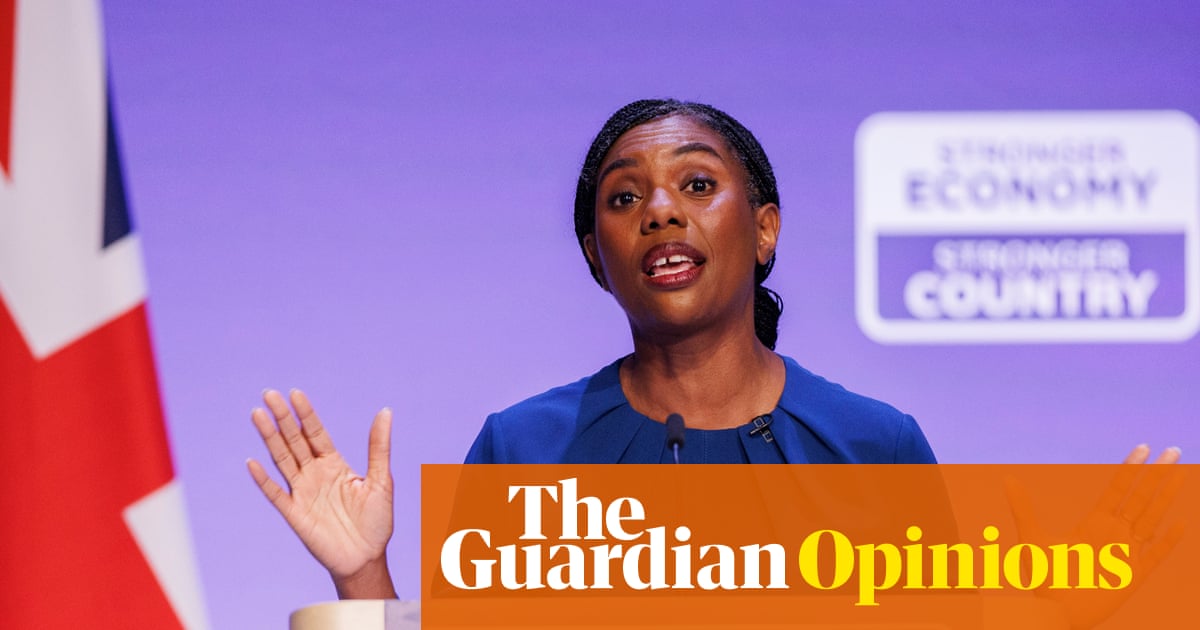
or a party that keeps losing elections, the Conservatives have enjoyed a remarkably upbeat conference in Birmingham this week. A party with a strong regicidal impulse is united behind Kemi Badenoch. Opinion polls show the leader's personal ratings, while not spectacular, outperforming the wider Tory brand. Mrs Badenoch exuded confidence in her keynote speech on Wednesday, setting out what she believes is a path back to power.
The strategic focus is the economy. The Conservative leader expects Andy Burnham's honeymoon to come to an end when his chancellor delivers a painful budget later this month. A spending review will then compound the pain, forcing grim trade-offs on a prime minister who has a reputation for deferring hard choices.
Mrs Badenoch presents herself as made of sterner stuff. By that she means she is prepared to say that an overgrown state does too much for too many people. What the Tory leader imagines to be fiscal courage is really ideological complacency pitched at her party's comfort zone. The Conservative conference generated multiple commitments to cut taxes, mostly for upper-middle- and high-income families, alongside pledges to boost spending on defence and prison places, while also reducing the national debt. This is affordable, according to Mrs Badenoch, thanks to £70bn of "savings" the Conservatives claim to have identified in cuts to the civil service, regulators and working-age benefits.
It is a phoney equation that doesn't account for the increase in costs to government once the social consequences of austerity become apparent. But the proposed reallocation of resources from mythical undeserving benefit-claiming idlers to enterprising but overtaxed middle-class families is a trusted campaign device.
Mrs Badenoch presents this agenda as "something for everyone". In reality, she is trying to reach two particular audiences. The Tories need to attract voters in their former "blue wall" heartlands, now held by Liberal Democrats, and people who backed Boris Johnson in 2019 and then switched to Nigel Farage's Reform UK. These groups have very different attitudes, crudely represented by the polarised political identities that coalesced into leave and remain blocs – one nationalistic, the other more liberal – on the question of Brexit.
Mrs Badenoch spent two years courting the former camp with hardline positions on immigration and hostility to net zero climate policy. She has belatedly noticed the existence of people who are appalled by Mr Farage's agenda. A significant passage in her speech on Wednesday rebuked Reform UK politicians who use a narrow ethnic definition of Englishness.
But mostly the Conservative leader talked about tax cuts, because she believes they appeal across the spectrum. That is often a reliable assumption, although the same plan didn't help the Tories in 2024. Reckless pre-election giveaways succeeded only in poisoning the fiscal well for Keir Starmer.
The problem for the Conservatives then was that people didn't trust them to govern responsibly or competently. This hasn't changed. Mrs Badenoch thinks victory is available by attaching her personal brand to a classic Tory formula, unrevised for decades. Judging by the mood in Birmingham, her MPs and members agree. This is what happens when a party speaks to itself. A much harder test awaits when they have to speak to a country that remembers Conservative government well enough to be disinclined to listen.