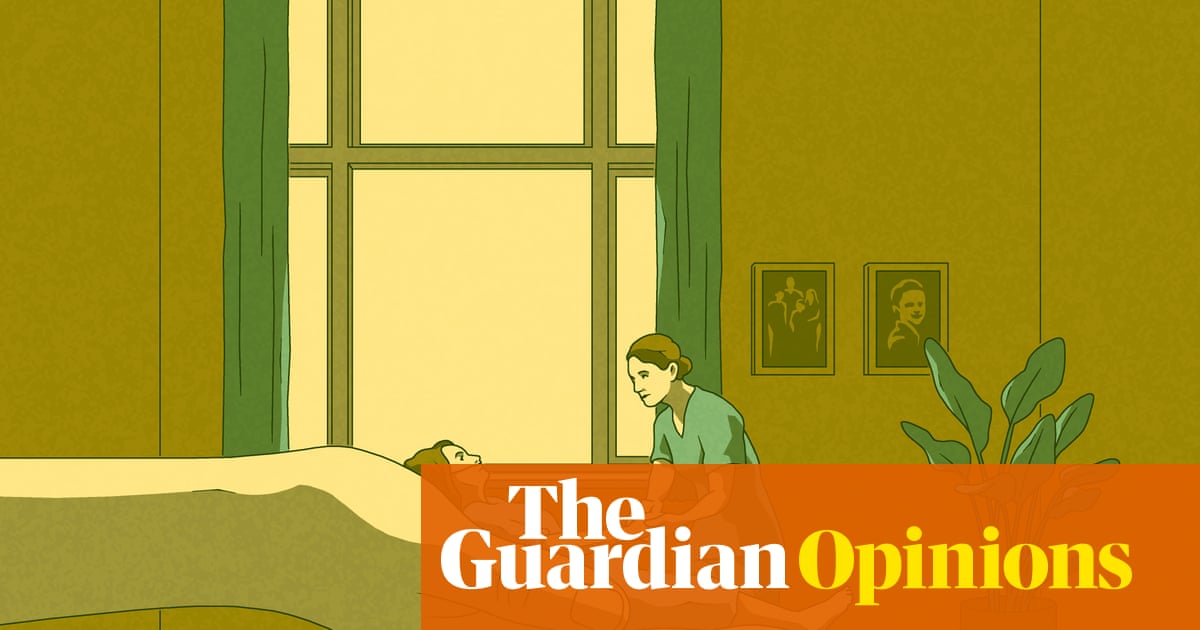
he UK government is discussing the country's biggest challenges at the Labour party conference. But amid the speeches, announcements and headlines, it should not forget one of the clearest messages to emerge from parliament just two weeks ago – our palliative care system is not working for far too many people.
Throughout the assisted dying debate, MPs who disagreed deeply on the core issue, often agreed on one thing – our palliative care system urgently needs fixing. Some spoke from personal experience where they had seen relatives forced to wait hours in pain, or those who had to go to hospital instead of staying in their own homes because the right support wasn't available.
They raised concerns that those from poorer backgrounds were more likely to struggle to access good quality palliative care and described the system as a "postcode lottery", with some areas offering 24-hour specialist support in people's homes, while in the next town over, A&E is the only option.
As attention turns to conference season and the next set of political priorities – including a new system of adult social care free at the point of delivery – there is a danger these concerns are forgotten. That must not happen. MPs were right to say palliative care needs urgent reform during the assisted dying debate; that urgency can't disappear now the vote is over.
At Sue Ryder, we have a neutral stance on assisted dying. But we are clear that everyone deserves access to good palliative care when they need it. Too often, the debate is framed as a stark choice between unbearable suffering on one side and an assisted death on the other. The reality is rarely that simple.
Of course, dying is not easy. Some people experience pain, breathlessness, restlessness or other distressing symptoms. When that happens, our responsibility is to respond – bringing all the skill, expertise and compassion we have to relieve suffering as best we can. But one troubling thing about the debate around assisted dying is that the most difficult deaths are often presented as if they are the norm.
When good care is available, dying can be a calmer, more peaceful experience: families gathering around bedsides, holding hands, sharing stories, laughing through tears and making the most of whatever time remains. We see people becoming increasingly tired. They sleep more and eat less, gradually becoming less aware of the world around them as their bodies begin the natural process of dying. We sometimes see fear, but it is not always fear of pain. More often, it is the fear of leaving loved ones behind. We see people who need honest conversations about what lies ahead. People who need dignity, compassion, expert care and the confidence that someone will be there to support them and those they love.
I understand why stories of suffering have such a powerful impact. They should. Nobody wants to see another human being in pain or distress. And even with the best quality care, some deaths can be difficult. But in truth, some of the greatest suffering we witness is not physical. It is uncertainty. It can be loneliness. It is spending precious final days in a crowded hospital ward because the support needed to get someone home has not been arranged in time. It is families exhausted from navigating a complex system when they should be focused on time together.
That is why the conversation about assisted dying must now be matched by an equally urgent conversation about how people live in their final weeks and months. A good death is rarely defined by one final act, but by whether someone feels safe, comfortable and listened to. It is about having the right care, in the right place, which is often at home, and ensuring nobody faces the end of life feeling frightened, unsupported or alone.
Whatever your view on assisted dying, decent palliative care should be non-negotiable.
My perspective comes from standing at the bedsides of dying people for years and supporting the families who love them. Working with our partners within healthcare, we want to build a palliative and end-of-life care system that can keep pace with growing demand and give everyone access the care they deserve.
We need to invest in palliative and end-of-life care where people need it most. That means better palliative care in hospitals. We also need the right expertise in the community to avoid unnecessary and distressing hospital admissions. And that means expanding care in the community with increased hospice-at-home services so more people can be cared for in their own homes, surrounded by the people they love. And it means making sure specialist support is available when people need it, not determined by their postcode or the time of day they become unwell.
These are not optional extras at the end of life. They are essential components of healthcare, and they should be available to everyone.
As Labour MPs gather at conference, ministers have an opportunity to show that improving palliative care is more than a talking point raised during a contentious debate. The responsibility to tackle the inequalities the debate brought into sharp focus has only just begun. The assisted dying vote may be over. The palliative care crisis is not.
-
Jane Turner is chief nurse at the palliative support charity Sue Ryder