Ministers have given the entertainment industry an ultimatum to bring in better protections for women and children or face government action after the allegations about David Walliams and the conviction of Russell Brand.
The culture secretary, Lisa Nandy, is expected to meet industry leaders next week, taking in representatives from TV, film, publishing and potentially sport.
The hope is that the sectors will strengthen protections voluntarily, but it is understood the government could look to act if ministers believe that efforts to prevent abuse and harassment, and to encourage whistleblowing, are insufficient.
It is not yet known which organisations Nandy will meet, or what the requests might be. One option, if legislation is needed, could be to make it mandatory for companies to sign up to the Creative Industries Independent Standards Authority (CIISA), which tackles bullying and harassment in the sector via confidential whistleblowing.
One government official said the expectation was for voluntary action. "The instinct is that Lisa would like the industries to show they are about to sort this out themselves, but we are not squeamish about stepping in if that does not happen," they said.
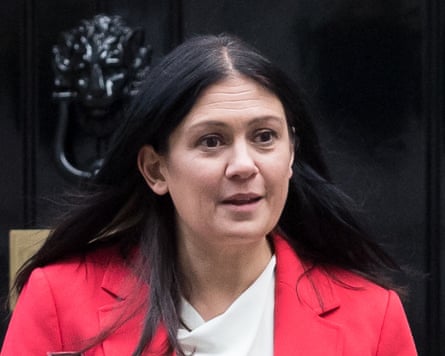
Olivia Bailey, the Labour MP who chairs the Commons women and equalities committee, said in a statement to the Guardian that ministers should give the CIISA proper funding.
She also called for an existing ban on non-disclosure agreements (NDAs) being used to silence employees over harassment or discrimination to be extended to everyone, covering not just freelancers but also volunteers and fans. This should also be the case for other workplace protections against harassment, she said.
It was time to "end the culture of silence", she said. "Not only do these men seek to hide behind NDAs and injunctions, they rely on a culture of people looking the other way or feeling unable to speak out."
Speaking to a parliamentary committee on Wednesday, the justice secretary, Alex Norris, said he accepted there was "a lot of concern" about powerful men using the legal system to silence accusers, which could include seeking injunctions, as Walliams did, and NDAs.
There have been widespread calls for action after the publication of an investigation by the Guardian and ITV News setting out accusations that Walliams, one of Britain's best-known television personalities and a top-selling children's author, used his power and status to prey on young women for sex.
Walliams, 55, denies any wrongdoing. The allegations were published after a court rejected an attempt by Walliams to prevent publication.
In a personal letter written to Guardian and ITV News journalists denying the allegations and detailing their impact on his mental health, he wrote: "Looking back, I realise that at times I behaved thoughtlessly towards other people I had casual sexual relationships with. And whilst a power imbalance is inevitable when one party is famous, abusing that power is something else entirely and it is something I never did.
"I am not a sexual predator. I have not broken the law, but I am devastated that some of the women I met 10-20 years ago have now expressed hurt or anger towards me."
The TV presenter Jonathan Ross said in a statement on Wednesday that he had had no knowledge about the alleged behaviour of Walliams, or the actions of Brand, who was jailed for more than 10 years on Monday for rape and sexual assault.
Ross said that was the case despite the fact he had made a joke about a 15-year-old "going home" with Walliams when he hosted the British comedy awards in 2004.
To laughter from Walliams and others in the audience, Ross said at the event: "The comedy awards is 15 years old – 15 years old! And like most 15-year-olds, it's drunk, it's unpredictable and it's probably going home with David Walliams."
In his statement, Ross said the joke had been written by the awards' scriptwriting team, "and I believed that the punchline was a reference to the fact he had publicly dated younger women, exaggerated for comic effect"..
Speaking after prime minister's questions, Andy Burnham's official spokesperson called the allegations about Walliams "deeply troubling". "Men in positions of power using their influence to exploit vulnerable young women and girls is evident in this case, and it's a pattern of behaviour that needs to change," he said.
"We are clear that every organisation should look hard at whether they are doing enough to keep people safe, and if people can raise concerns knowing that their allegations will be taken seriously."
Louise Casey, who is separately leading an inquiry into sexual abuse grooming gangs, said many people would be surprised to learn that men who had sex with girls aged 13, 14 or 15 were not automatically charged with rape, saying this should be changed.
She told Sky News: "Those are the sorts of things I think that would really show the country that we are going to protect children … We really need to move mountains, and to move them quickly."
It is understood, however, that the government has no plans to change the law as Casey suggested.
Later on Wednesday, Norris was asked about the prevalence of high-profile people using the courts to silence accusers. He told the House of Lords justice and home affairs committee: "This has been a source of conversation and engagement in parliament for a long time but brought into relief recently, particularly the way in which powerful men used the system in order to silence people.
"I think there's a lot of concern in this space and we want to make sure that those things aren't being used inappropriately and that the legal regime that governs them is robust and finds a fair balance that it ought to."
Jess Phillips, who until May was the Home Office minister responsible for combating violence against women and girls, told the BBC that the Walliams case was "an outlier" in that an injunction was overturned.
"There are many, many people in this country silenced by injunctions, silenced by non-disclosure agreements," she said. "That is not new news."