Brandon To is a Politics graduate from UCL and a Hong Kong BN(O) immigrant settled in Harrow
Britain is a very polite country.
So polite, that apologising for broken infrastructure has become part of the infrastructure itself.
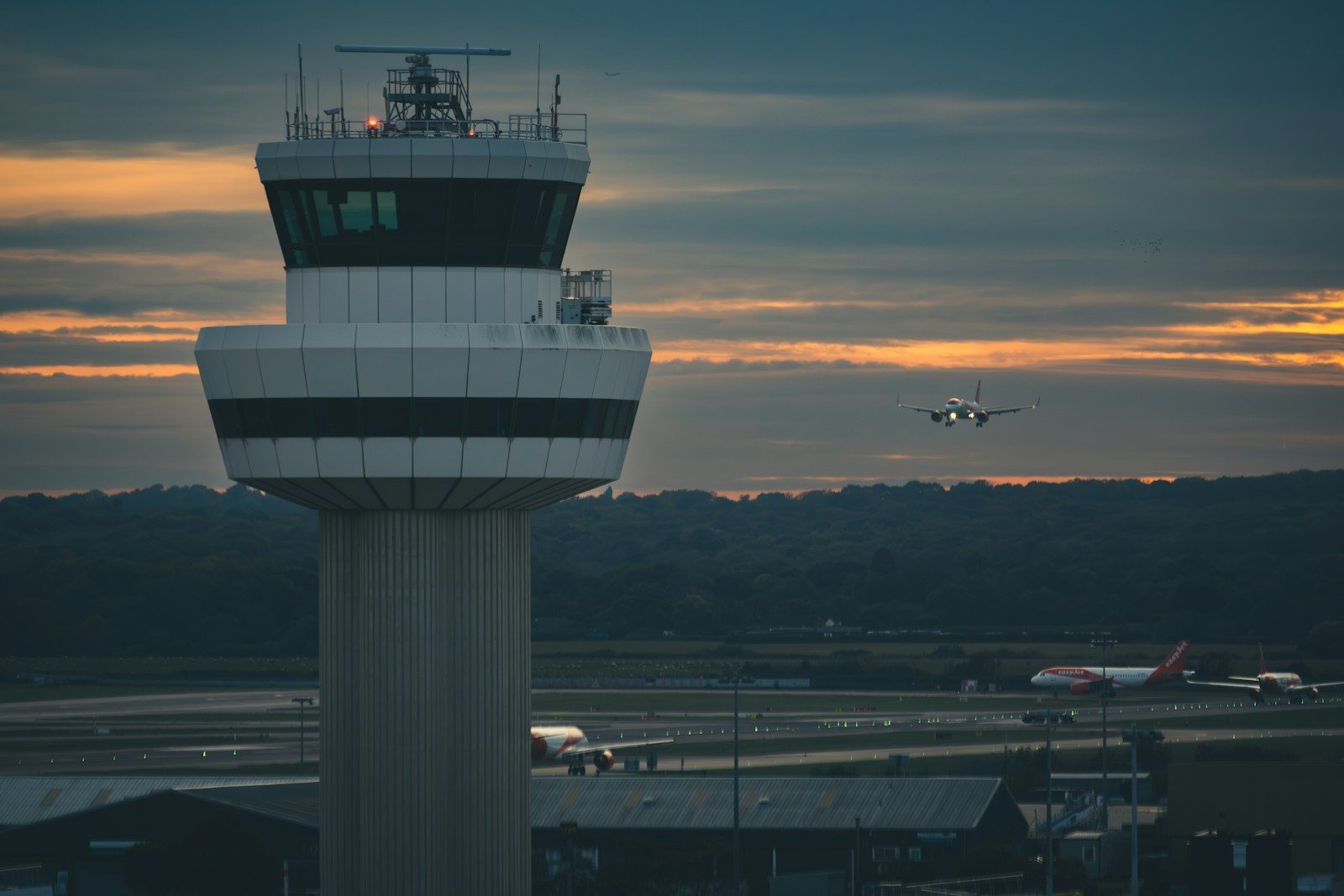
Earlier this month, Britain’s air traffic control system failed again. More than 1,000 flights were disrupted, with cancellations and delays across all major airports.
And it was not the first time. In 2023, a major NATS failure caused chaos for more than 700,000 passengers. Afterwards, NATS chief executive Martin Rolfe said the problem had been “fixed for good” and “won’t happen again”.
Guess what? It did.
There is something almost quintessentially British about this. Something breaks. Someone apologises. An investigation is launched. A 260-page report with 26 recommendations appears. Then we keep calm and carry on… until the next thing breaks again.
They are sorry, but never sorry enough to change.
And it’s not just a NATS problem. Take trains as an example.
Signal failure happens every 2 months, fire engulfing the tracks, the wrong type of leaves (this was real!), and the wrong kind of sunlight (this was real…again!). These are all reasons, or precisely, excuses, used by train companies to explain delays and cancellations. At this rate, I fully expect my 08:14 to Marylebone is delayed due to cosmic radiation.
In fact, b-roll footage of commuters staring helplessly at the amber “CANCELLED” notices on departure boards is now so abundant that news crews no longer need to leave the studio. Just voice over footage shot in 2018, and no one would notice any differences.
We have become so accustomed to failures.
Of course infrastructure fails. Machines break, pipes burst and software crashes. No serious person expects Britain to have a transport and utilities network in which nothing ever goes wrong. The question is what happens after a failure.
When the NATS system failed in 2023, the subsequent independent review produced 34 recommendations covering NATS, airlines, airports, the Civil Aviation Authority and the Government. The review covered resilience, engineering resources, contingency arrangements, investment, and incentives.
But it didn’t answer the key questions.
Who was responsible?
Who bought the system?
Who approved it?
Who signed off the contingency arrangements?
Who was responsible for testing the backup?
And, when something went wrong, who actually fixed the problem?
At present, too many investigations seem to end with toothless recommendations. We hope lessons are learned from failures. But who learned them? And most importantly, what happened to the people who failed to learn them?
So here’s an argument for something much more basic: named responsibility.
When critical infrastructure fails, the public should be able to identify the chain of responsibility behind it.
The same principle should apply to the response.
Reward the people who prevent failures. Reward the engineers who keep the system running under extraordinary pressure. Recognise the people who find the fault and fix it. And where an investigation establishes serious negligence, there must be consequences.
Take water as another example.
Ofwat’s investigation into South East Water found repeated failures in Kent and Sussex, affecting more than 286,000 people. Its findings included failures to maintain key infrastructure, insufficient planning for high-demand periods and, strikingly, a lack of ownership for fixing the root causes of supply interruptions. In July this year, Ofwat secured a £30.5 million redress package and an independent monitor for the company.
“Lack of ownership for fixing the root cause.”
There is a problem in these eight words.
We have become very good at owning the apology. We need to get better at owning the problem.
And perhaps this is where Britain needs to rediscover something we have rather oddly lost: the expectation that things should continually get better.
Britain’s Industrial Revolution was built by pioneers who looked at a machine and thought: surely we can make this work better.
It’s this pursuit of perfection and improvement that made Britain the groundbreaker in technology.
So where is this pursuit now?
Of course, we can’t miraculously solve all problems immediately. But at least we can stop apologising, and start by identifying the person who really should apologise.